Vintage History Font Review: A Festive Sans Serif for Branding
Opening a fresh brand board one afternoon, I was looking for a typeface that could bring warmth and nostalgia to a local bakery’s rebrand. The moment I landed on Vintage History, I knew it had the right vibe—playful yet professional, with just enough character to stand out without shouting.
A Whimsical Touch with Practical Appeal
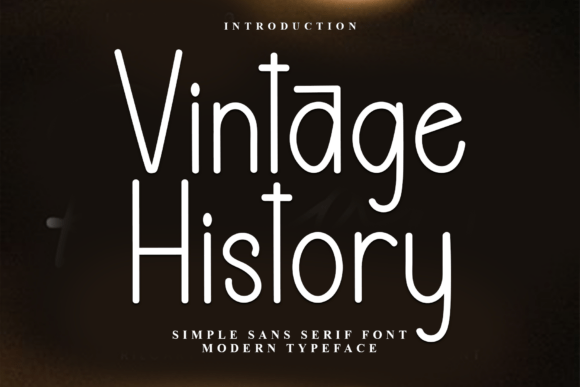
Vintage History is a sans serif font that carries the charm of holiday cheer. It has subtle decorative elements that give it a whimsical flair, making it perfect for projects that want to feel nostalgic or festive without leaning too heavily into clichés. Its curves and flourishes add a sense of enchantment, which can be especially effective in branding for seasonal products, artisanal goods, or creative studios looking to inject personality into their visual identity.
I tested it on a logo concept for a boutique bakery, and it worked surprisingly well. The font didn’t feel too ornate for a daily product like bread but still brought a sense of joy and celebration to the design. It’s not over-the-top, but it does carry a distinct personality that makes it memorable.
Performance in Real-World Branding Scenarios
I used Vintage History across several mockups: a packaging label, a business card, a website header, and an Instagram post. In each case, it performed admirably. On a product label, it felt inviting and approachable, ideal for a handmade soap or a seasonal beverage. On a business card, it added a touch of elegance without compromising readability.
For the website header, I paired it with a clean sans serif for body text, which created a nice contrast. The font worked well as a headline, drawing attention without overwhelming the rest of the content. In social media graphics, it helped set the tone for holiday promotions or special events, adding a visual cue that aligned with the message.
However, I noticed that it might not be the best choice for long-form text. When I tried using it in body copy for a blog post, the decorative elements made reading more challenging, especially at smaller sizes. That’s something to keep in mind if you’re considering Vintage History for extended text blocks or formal documentation.
Font Pairing and Styling Suggestions
When it comes to pairing Vintage History, I found that combining it with a modern sans serif like Helvetica Neue or Montserrat gave a balanced look. For a more traditional feel, a serif font such as Georgia or Playfair Display worked beautifully next to it, creating a classic yet playful aesthetic.
The font also plays well with script fonts for accents, especially in logos or promotional materials. Just be careful not to overdo it—let Vintage History shine as the main feature rather than getting lost in a sea of embellishments.
As for included styles, I found that the standard weight was sufficient for most uses, though having a lighter or bolder variant would have been helpful for more nuanced design applications. Fortunately, the font supports multiple languages and offers webfont availability, which makes it versatile for digital use.
Best Use Cases and Limitations
Vintage History shines brightest when used as a display font or headline font. It works exceptionally well in short phrases, logos, packaging labels, and social media visuals. Think of it as the perfect companion for a holiday greeting card, a seasonal product launch, or a cozy café sign.
That said, it’s not the best fit for small body text, long paragraphs, or highly formal corporate branding. If your project requires strict readability or a minimalist aesthetic, you may need to explore other options. But for those who want to infuse a bit of magic into their designs, this font is a strong contender.
Before committing to Vintage History in any final client work, I recommend testing it in different contexts and sizes. See how it looks on a shop sign, a printed card, or a mobile screen. Always double-check the commercial licensing terms to ensure it’s appropriate for your intended use, whether that’s a brand identity system, packaging design, or digital assets.